Elena Schmidt · 2 September 2026
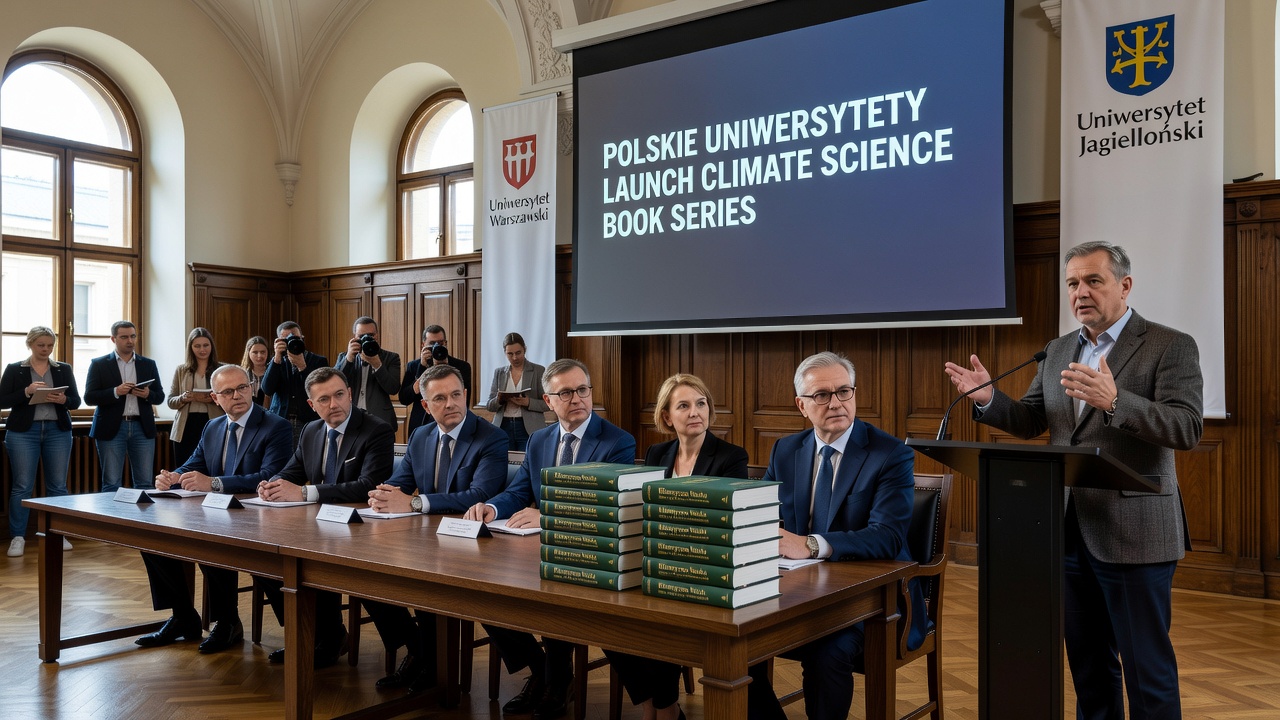
Leading Polish academic institutions have established a dedicated book series focused on climate science, emphasizing rigorous research and interdisciplinary approaches to environmental challenges. The initiative involves collaboration between multiple universities and academic publishers to produce high-quality monographs and edited volumes.
Collaborative Framework and Publishing Standards
The series draws contributions from researchers at the University of Warsaw, Jagiellonian University, and Adam Mickiewicz University in Poznań. Each volume undergoes double-blind peer review coordinated by university presses, ensuring adherence to international academic standards. Open-access options are available for select titles through institutional repositories, broadening access for scholars in Eastern Europe and beyond. Editorial boards include experts in atmospheric modeling, biodiversity conservation, and policy analysis, with an emphasis on data-driven findings from Polish field studies and simulations.
Publication schedules target three to four volumes annually, covering topics such as regional climate adaptation strategies and carbon sequestration techniques in temperate forests. Funding combines grants from the Polish National Science Centre with support from European Union research programs, allowing for comprehensive indexing in major databases like Scopus and Web of Science.
Broader Implications for Academic Publishing
This development reflects growing specialization within Polish academic publishing, where university-led series address niche scientific domains previously underrepresented in domestic output. By prioritizing multilingual abstracts and digital formats, the project facilitates integration with global scholarly networks while maintaining focus on local environmental contexts. Early volumes are expected to feature contributions from early-career researchers, supported by mentorship programs tied to the series.
Long-term goals include partnerships with international presses for co-editions and translation projects. Metrics for success will track citation rates and adoption in university curricula across the region. The effort underscores the role of academic institutions in advancing climate knowledge through sustained, peer-reviewed book publications rather than solely journal articles.